
Tooth extractions
Clarity before the next step.
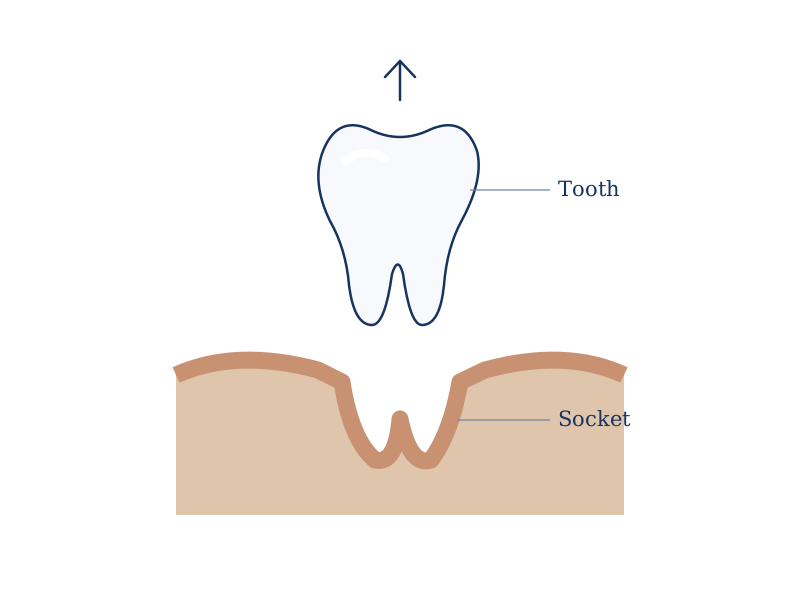
An extraction removes a tooth when it cannot reasonably be retained or there is another clinical reason for removal. We begin with an assessment and a conversation about the options, including whether the tooth can be preserved.
Understand why removal is being considered
Extensive decay, infection, damage or a tooth’s position may lead to a discussion about extraction. Where appropriate, your dentist will explain options to retain the tooth and what could happen if treatment is delayed or declined.
Know what your procedure involves
The approach depends on the tooth, its roots and surrounding structures. Your dentist will discuss anaesthesia, the steps involved and whether referral is appropriate. Do not assume sedation is included; available options must be discussed for your case.
Plan for healing
You will receive instructions tailored to your treatment, including caring for the area, eating, cleaning and when to seek help. Follow the treating dentist’s instructions and contact them if recovery is not progressing as expected.
Discuss risks and replacement options
Risks can include pain, swelling, bleeding, infection and dry socket. Depending on anatomy, nerve or sinus injury may also be relevant. If replacement is needed, discuss timing and options such as an implant, bridge or denture before removal when possible.
What an extraction visit can involve
Every plan is individual. This outline shows how the stages commonly fit together; your dentist will confirm what applies to you.
Assessment
Your dentist examines the tooth and surrounding area and usually takes an X-ray to see the roots and nearby structures. Your health history and medications are reviewed.
Discussing options and consent
You talk through whether the tooth can be treated and kept, what removal involves, the risks and the options for replacing the tooth. Treatment goes ahead only with your consent.
The procedure
The area is numbed before the tooth is removed. Some teeth are removed in one piece; others need a more involved approach. Your dentist will tell you what to expect for your tooth.
Before you leave
You receive written instructions on protecting the blood clot, managing discomfort, eating, cleaning and what to avoid in the first days.
Follow-up
A review may be arranged to check healing or remove stitches. If the tooth is to be replaced, the timing and next steps are confirmed.
When to contact the clinic after an extraction
- Bleeding that continues despite firm pressure as instructed
- Pain that worsens two to three days after the extraction, which can be a sign of dry socket
- Swelling that increases after the first few days
- Fever, a bad taste or discharge from the area
- Numbness that does not wear off as expected
Follow the written instructions from your treating dentist first. If you have difficulty breathing or swallowing, uncontrolled bleeding or another medical emergency, call 911 or go to the nearest emergency department.
Common questions
Does every damaged tooth need to be removed?
No. Some teeth can be treated and retained. Your examination helps determine the available options and their likely limitations.
Can an implant be placed at the extraction visit?
Sometimes, but not in every case. Infection, bone, anatomy and the overall treatment plan influence the timing.
What if I have an urgent concern?
Contact your treating dental office for advice. If you have difficulty breathing or swallowing, uncontrolled bleeding or another medical emergency, call 911 or seek emergency care. This demo does not accept urgent requests.
How long does recovery take?
It varies with the tooth and the procedure. Many people return to usual routines within a few days, while the socket continues to heal over the following weeks. Your dentist will give guidance for your situation.
Will I need to replace the tooth?
Not always. It depends on which tooth is removed, your bite and your preferences. Your dentist can explain the options, including leaving the space, and the best time to decide.